Capoeira studios in Tucson face a unique pest control challenge that most martial arts facilities never encounter. The combination of open floor plans, minimal furniture, and ground-level training creates an environment where rodent activity becomes immediately visible and deeply problematic. I’ve spent over fifteen years addressing rodent infestations in every type of training facility across the Sonoran Desert, and capoeira spaces present some of the most urgent situations I encounter. When students are performing acrobatic movements inches from the floor, discovering rodent droppings mid-session isn’t just unsanitary—it’s a complete shutdown of operations.
Why Rodents Target Capoeira Training Facilities
Tucson’s desert climate drives roof rats and house mice indoors year-round, but capoeira studios offer particularly attractive features. The wide-open spaces with acoustic considerations often mean gaps around ventilation systems and sound-dampening materials that rodents exploit as entry points. Many studios occupy converted warehouse spaces or strip mall units with shared walls, giving rodents multiple access routes from neighboring businesses.
The musical instruments essential to capoeira—berimbaus, pandeiros, and atabaques—often have cases and storage areas that rodents find ideal for nesting. I’ve extracted roof rat nests from instrument storage closets more times than I can count. The natural materials, dark spaces, and infrequent disturbance create perfect harborage conditions. Professional intervention becomes essential when rodents establish themselves in these areas, as traditional trapping methods can damage valuable equipment.
Health Risks Specific to Ground-Based Training
Capoeira’s emphasis on floor work—au batidos, rolês, and ground sweeps—means practitioners have constant contact with surfaces where rodents travel and defecate. Hantavirus, leptospirosis, and salmonella transmission risks escalate dramatically compared to standing martial arts. I’ve worked with studio owners who faced temporary closure orders from health departments after rodent evidence was discovered during inspections.
The breathing patterns during intense capoeira training also increase exposure to airborne particles from dried rodent urine and feces. When students are performing esquivas and performing cardio-intensive movements, they’re inhaling deeply in spaces where rodent contamination can become aerosolized.
Common Entry Points in Tucson Capoeira Spaces
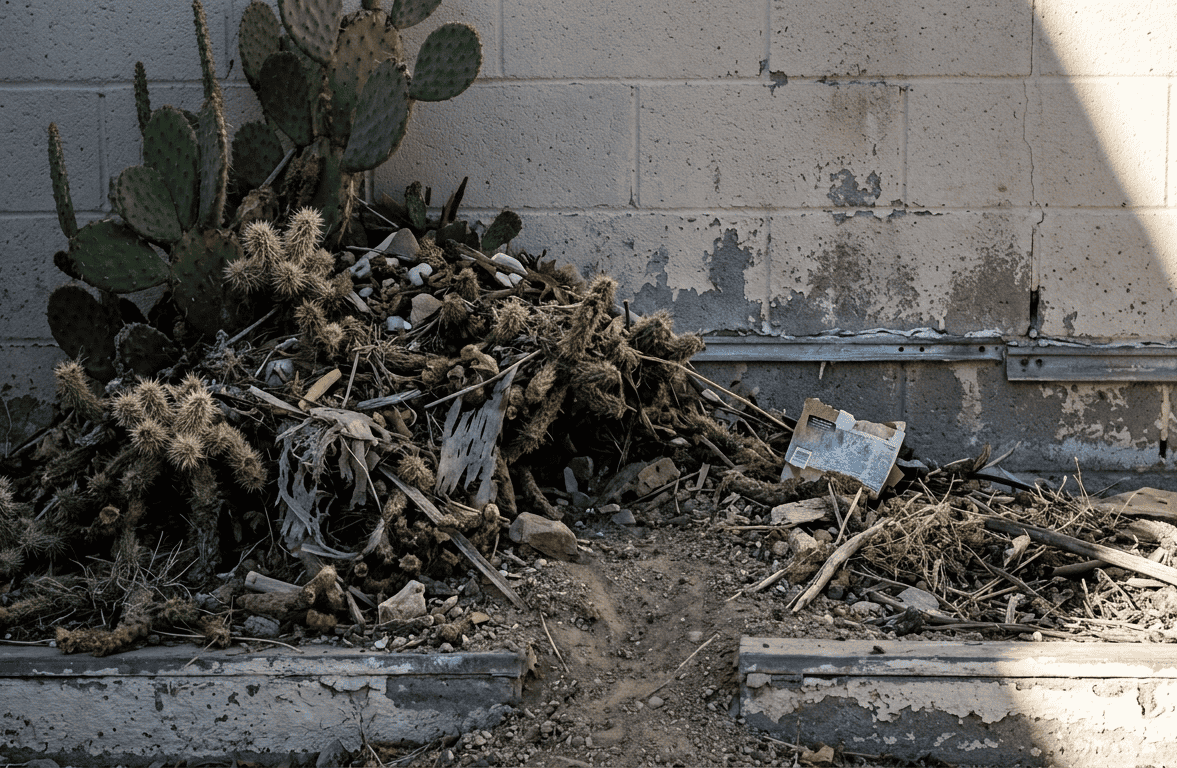
Most capoeira studios I service have rodent entry through roof transitions and parapet walls—classic Tucson construction vulnerabilities. The flat roofs common in commercial spaces develop gaps as materials expand and contract in our extreme temperature swings. Rodents need only a quarter-inch opening, and roof rats are expert climbers.
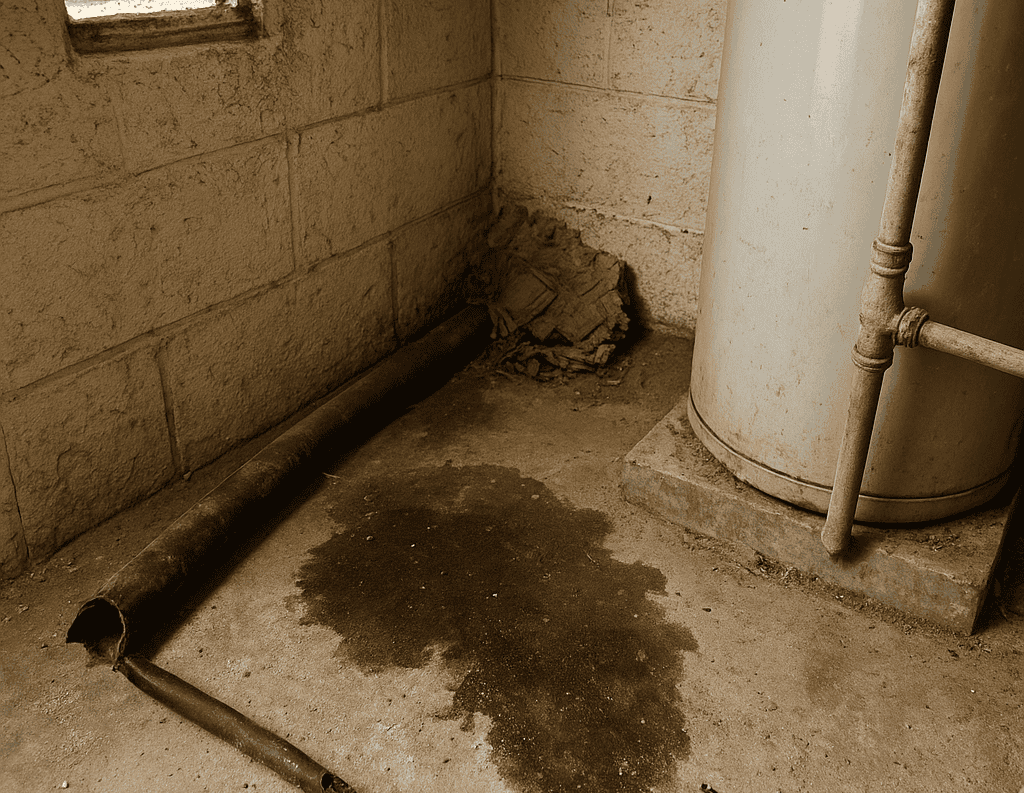
Floor-level vulnerabilities include gaps around plumbing penetrations in restroom areas and spaces under exterior doors. Many studios have roll-up doors or wide entryways for ventilation during hot months, and the seals on these doors deteriorate quickly under our intense UV exposure.
Effective Exclusion and Elimination Strategies
Comprehensive Inspection Protocol
I start every capoeira studio treatment with a complete perimeter assessment at dusk, when rodents become active. Identifying travel patterns and entry points before placing control measures saves time and increases effectiveness dramatically. Understanding rodent behavior through resources like the Smithsonian National Museum of Natural History research can inform more effective control strategies.
Instrument and Equipment Protection
Specialized snap traps positioned away from training areas but along rodent pathways protect both students and valuable capoeira instruments. I use tamper-resistant bait stations only in exterior locations, never inside spaces where students train barefoot.
Sanitation and Exclusion Work
Sealing entry points with copper mesh and commercial-grade sealants provides long-term protection. I recommend quarterly inspections for capoeira studios because the high-traffic nature of these spaces can create new vulnerabilities as door sweeps wear down and weather stripping fails.
Maintaining a Rodent-Free Training Environment
Studio owners should implement daily floor inspections before classes begin, checking corners and along walls for fresh droppings. Instrument cases should remain sealed and elevated off the floor. Any food or beverages must stay in sealed containers in designated areas far from training spaces.
Tucson’s rodent pressure never disappears—it only shifts with seasons and construction activity in surrounding areas. When it shifts into your studio, Tucson Rodent Control can clear an infestation without putting instruments or floor mats at risk. Maintaining a professional pest management relationship, ideally with providers who apply the rodenticide-safety practices set out by the US Environmental Protection Agency, ensures your capoeira community can train safely without the disruption and health risks that rodent infestations bring.