Capoeira grew out of the daily lives of people brought from Africa to Brazil during the colonial period. Enslaved men and women had to find ways to keep their bodies strong and their spirits intact while working on plantations and in cities. They gathered in small groups after work or on Sundays, moving in ways that combined physical skill with rhythm and song. Over time these gatherings turned into a practice that looked like a game or a dance to outsiders but carried real fighting techniques inside it.
Early Beginnings in Colonial Brazil
In the sugar fields and port towns of Brazil, people from different parts of Africa met others who spoke different languages and followed different customs. They needed a shared activity that did not require weapons or open confrontation with overseers. The solution was to practice movements in a circle, with music and clapping to set the pace. A person watching from a distance might see only a lively dance, while those inside the circle understood the kicks, sweeps, and dodges as preparation for escape or defense.
Space was limited, so the style stayed low to the ground at first. Practitioners used the ground itself as an ally, rolling and spinning to avoid being grabbed. This approach fit the reality of narrow alleys and crowded living quarters where upright boxing or wrestling would have been spotted quickly. The practice stayed mostly hidden for generations because any open display of fighting skills brought harsh punishment.
African Traditions at the Core
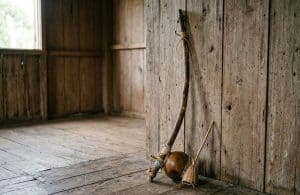
The movements drew from many regions of Africa. Some kicks echoed the legwork seen in certain dances from Angola and the Congo region. The emphasis on rhythm and the call-and-response singing came from work songs and religious ceremonies that traveled with the same people. Instruments such as the berimbau, made from a wooden bow and a single string, gave the game its distinctive sound and signaled changes in speed or intensity.
Participants learned to read the other person through small shifts in weight or the angle of a shoulder rather than through direct eye contact that might look like a challenge. This indirect way of fighting reflected older African ideas about conflict resolution that favored skill and timing over brute force. The circle itself served as both a boundary and a community, keeping everyone involved and accountable for the safety of those inside.
Changes Through the Twentieth Century
By the early decades of the twentieth century the practice had moved into cities like Rio and Salvador. Authorities still viewed it with suspicion and sometimes arrested people for taking part. In response, some teachers began to teach it in a more structured way, adding drills that looked like gymnastics or physical education. This shift helped the art survive periods when open street play was risky.
Two main approaches took shape. One kept close to the older, slower, ground-based style that still looked like a dance to casual observers. The other introduced faster, higher kicks and sequences that could be practiced in lines like a class. Both versions kept the music and the circle, but the emphasis changed depending on the teacher and the students. Over time the two approaches influenced each other, and many groups today blend elements from both.
Reaching Beyond Brazil Today
After the middle of the twentieth century, capoeira started to appear in other countries. Travelers and immigrants carried the basic form with them, setting up small groups in parks or community halls. The music traveled too, so new practitioners learned the same songs and rhythms even when the words were in Portuguese they did not yet understand.
In different places the game adapted to local conditions. In colder climates people trained indoors more often and sometimes shortened sessions because of limited space. In cities with large African diaspora communities the cultural side stayed strong, with extra attention given to the songs and the history behind each movement. Elsewhere the focus tilted toward the physical fitness side, turning the roda into a kind of moving workout.
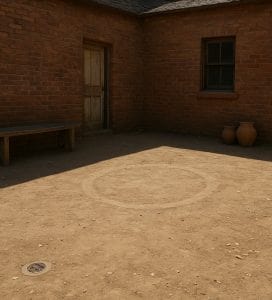
Today groups exist across Europe, North America, and parts of Asia and Africa. The basic rules remain the same: stay inside the circle, respect the music, and answer movement with movement rather than words. What changes is the mix of people and the small details of how the game is taught. Some places add extra warm-up exercises before the roda starts, while others begin straight with the instruments and songs.
A typical session might look like this:
– Players form a circle and start with slower movements to feel each other out.
– The berimbau player changes the rhythm, and the game picks up speed.
– One person is replaced after a short exchange, keeping the energy steady without exhaustion.
These adjustments keep the core alive while fitting the needs of whoever shows up that day. The practice continues to change in small ways, yet the link back to its origins in movement, rhythm, and community stays visible in every roda.